
Ah, the delightful world of Japanese noodles! If you’re like me, every time you think of a warm bowl of noodles, your heart skips a beat. The aroma of the broth, the texture of the noodles, and the colorful toppings create a cozy atmosphere that brings back fond memories of family dinners and quiet evenings at home. Today, we’re diving into the wonderful differences between soba and udon noodles. Trust me, it’s easier than you think, and you’ll be amazed at how quickly you can whip this up!
Why You’ll Love Soba vs Udon: What’s the difference?
- Fast: You can have the main components prepped and ready in under 30 minutes.
- Easy: These noodles are simple to make and can be customized to your taste.
- Giftable: A warming bowl of noodles makes for a thoughtful gift for friends or family.
- Crowd-pleasing: Whether it’s a cozy family meal or a gathering with friends, both soba and udon are sure to delight!
Ingredients
- Soba noodles: These buckwheat noodles are slightly nutty and have a great texture.
- Udon noodles: Thick and chewy, udon noodles have a lovely bite that many people adore.
- Broth: Choose from dashi, soy sauce, or miso for a flavorful base.
- Toppings: Get creative with green onions, tempura, nori, or any of your favorites!
- Seasoning: A dash of salt, pepper, and sesame oil can elevate the flavor tremendously.
How to Make Soba vs Udon: What’s the difference?
- Start by preparing your broth. In a pot, heat up your choice of dashi, soy sauce, or miso until it’s hot and fragrant.
- While the broth is warming, cook the soba noodles in a pot of boiling water for about 4-5 minutes, or until they are al dente. Once done, drain and rinse them under cold water to stop the cooking process.
- Next, cook the udon noodles in boiling water for 8-10 minutes, or until they are tender. Drain and set aside.
- Now, it’s time to assemble! Divide the cooked soba and udon noodles into serving bowls.
- Pour the hot broth generously over the noodles.
- Add your desired toppings, like sliced green onions, crispy tempura, or nori.
- Finally, season your bowl with a sprinkle of salt, a dash of pepper, and a drizzle of sesame oil to taste.
- Serve immediately and enjoy the warm, comforting flavors!
Substitutions & Additions
If you’re looking to mix things up a bit, here are a few substitutions and additions you might consider:
- For a gluten-free option, you can try rice noodles instead of soba or udon.
- Add protein like chicken, tofu, or shrimp for a heartier meal.
- Try different broths like chicken or vegetable if you’re feeling adventurous.
- For a spicy kick, add some chili oil or slices of fresh chili peppers!
Tips for Success
To ensure your noodle dish turns out perfectly, keep these tips in mind:
- Don’t overcook the noodles! They should be firm to the bite.
- Always rinse soba noodles after cooking to prevent them from becoming sticky.
- If you’re prepping ahead, store the broth and noodles separately until you’re ready to serve.
How to Store Soba vs Udon: What’s the difference?
Leftovers? No problem! Here’s how to store them:
- Keep the noodles and broth in separate containers to maintain their texture.
- Store in the refrigerator for up to 3 days.
- Reheat the broth and noodles separately before serving again for the best taste.
FAQs
- Can I make this dish vegan? Absolutely! Just use vegetable broth and skip any animal-based toppings.
- What’s the best way to cook soba noodles? Always cook them in boiling water and rinse them afterward to keep them from sticking.
- Can I freeze the noodles? It’s best to consume them fresh, but you can freeze the broth if needed.
So there you have it! Making soba and udon noodles is not only simple but also incredibly satisfying. For more delicious recipes, check out my comforting potato leek soup recipe or easy hot chocolate fudge recipe for treats you will love!
If you enjoyed this noodle adventure, don’t forget to follow us on Pinterest for more delicious ideas!

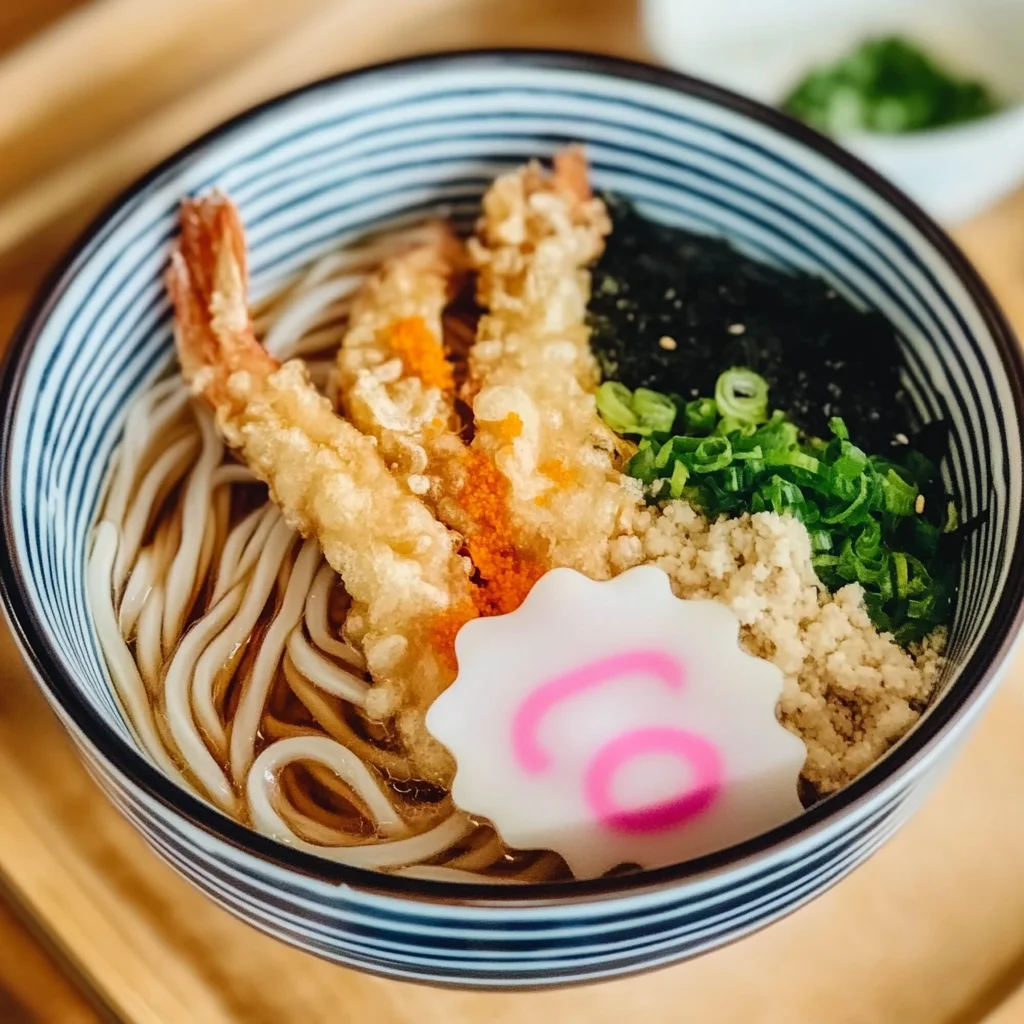
Soba vs Udon: What's the Difference?
Ingredients
Equipment
Method
- Step 1: Start by preparing your broth. In a pot, heat up your choice of dashi, soy sauce, or miso until it's hot and fragrant.
- Step 2: While the broth is warming, cook the soba noodles in a pot of boiling water for about 4-5 minutes, or until they are al dente. Once done, drain and rinse them under cold water to stop the cooking process.
- Step 3: Next, cook the udon noodles in boiling water for 8-10 minutes, or until they are tender. Drain and set aside.
- Step 4: Now, it's time to assemble! Divide the cooked soba and udon noodles into serving bowls.
- Step 5: Pour the hot broth generously over the noodles.
- Step 6: Add your desired toppings, like sliced green onions, crispy tempura, or nori.
- Step 7: Finally, season your bowl with a sprinkle of salt, a dash of pepper, and a drizzle of sesame oil to taste.
- Step 8: Serve immediately and enjoy the warm, comforting flavors!